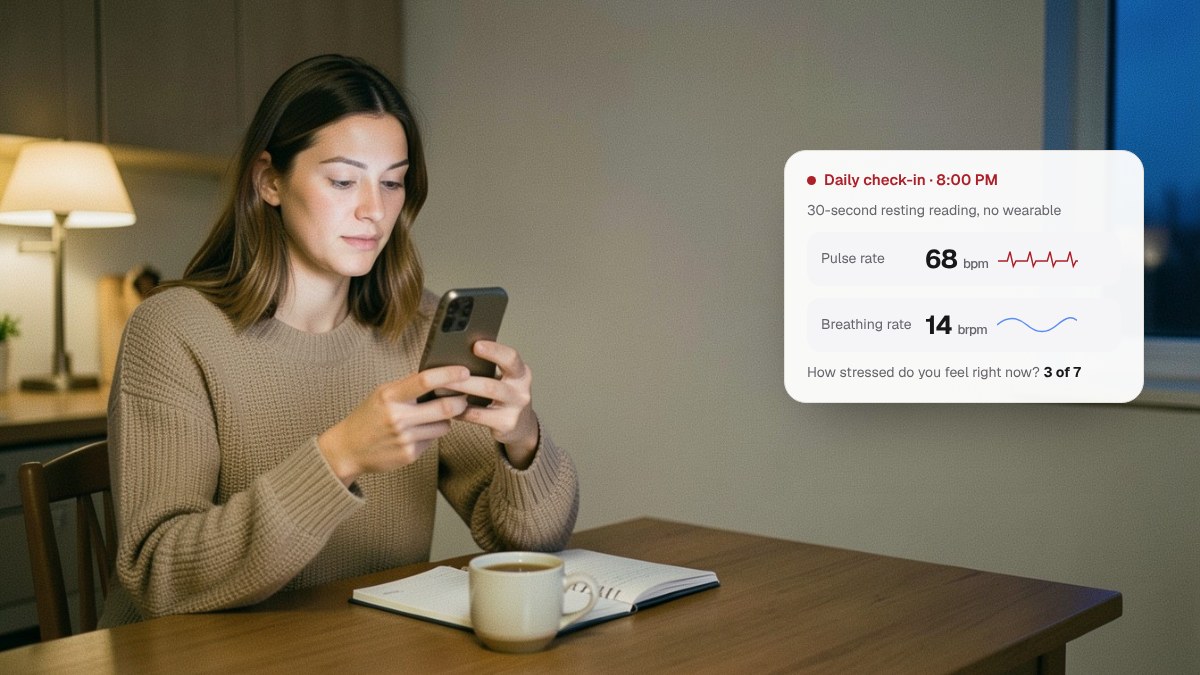
You can add heart rate and breathing rate to a daily diary, ecological momentary assessment (EMA), or other longitudinal study without shipping a single wearable. Each check-in includes a 30-second scan with the participant’s own phone camera, and the participant answers the questions you pose, all in the same session. You build the check-in once using eSSESSMENT, Presage Technologies’ tool for building research check-ins and more. Participants complete it in Presage’s free Coherence app.
Key takeaways
- A phone camera scan can now give you a heart rate and a breathing rate reading.
- Pairing a reading with a short self-report captures physiology and mood at the same moment.
- Wellness assessments can run on a fixed schedule or on demand.
What is EMA, and why add physiology to it?
Ecological momentary assessment (EMA) is a research and clinical method for collecting information about a person’s symptoms, behaviors, experiences, or environment in real time (or close to real time) while they go about their normal daily activities. It is conducted by asking people short, simple questions, repeatedly, about how they are feeling during the course of their everyday lives, usually on their phone (Shiffman et al., 2008). A daily diary is the simplest version: one check-in a day, often in the evening. Both are longitudinal designs: the same people report again and again over days or weeks, so you can see how each person changes over time.
Capturing vital signs at the same moment as a check-in can provide insights regarding their physiologic state, at least as reflected by their pulse and respirations. That pairing has the potential to unlock the answers to many interesting questions. Until recently it meant putting a wearable on every wrist or finger.
Can a phone camera measure heart rate?
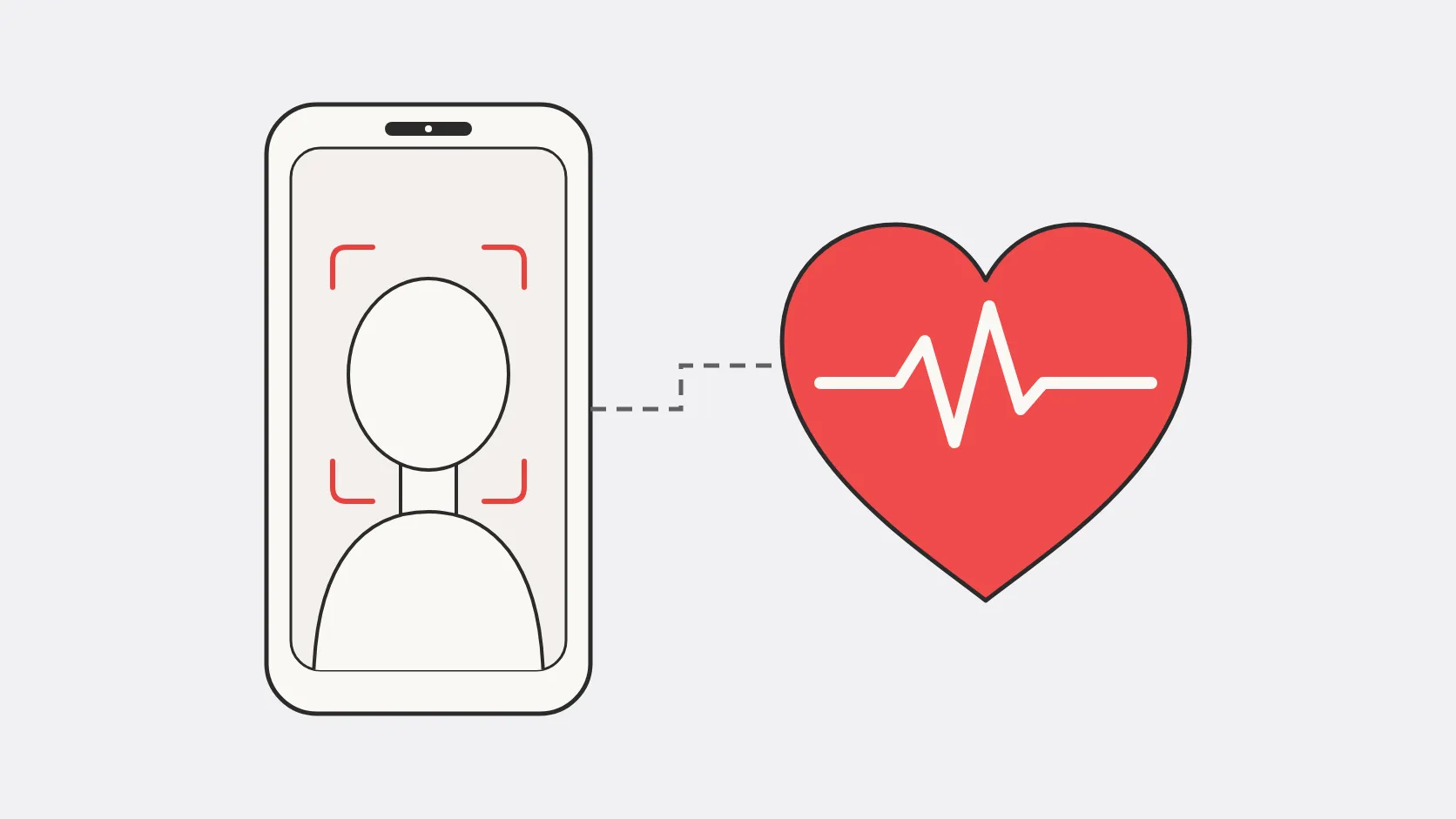
Heart rate is commonly measured by taking a pulse at the wrist, known as pulse rate. The camera does the same thing at your face, reading the pulse in your skin. It uses a method called remote photoplethysmography (rPPG). Each heartbeat changes the color of the skin on the face very slightly. The camera picks up that change, and Presage’s models turn it into a heart rate. In a study at Baylor College of Medicine, those readings closely matched heart rate measured by ECG. For more, see how a phone camera reads your pulse.
Which study designs fit a fixed-schedule check-in?
Each scan is a spot reading of about 30 seconds, not continuous monitoring. eSSESSMENT is best suited for study designs where check-ins happen at fixed times (interval-contingent), plus on-demand and operator-led sessions. It sends a push notification when each scheduled check-in is ready.
| Design | How check-ins are triggered | Fits eSSESSMENT? | Notes |
|---|---|---|---|
| Daily diary | Once a day at a set time | Yes | Schedule: Daily, at a time of day |
| Scheduled check-ins (interval-contingent) | Several set times a day, or on some days | Yes | Schedule: Daily or Some days, at set times |
| On demand or event-contingent | The participant opens the check-in after an event | Yes | Participants decide when, so plan for that in your analysis |
| Operator-led session | Staff run a live session | Yes | Useful at lab visits |
| Longitudinal follow-up | Check-ins at set intervals over weeks or months, between lab visits | Yes | Schedule: Some days, at set times |
| Random prompts (signal-contingent) | The phone prompts at random times | No | Use a fixed schedule instead |
How many check-ins will people complete? A meta-analysis of 477 EMA articles found average compliance of 79%, mostly in prompted designs (Wrzus and Neubauer, 2023). Treat that as a starting point, and measure your own rate in a pilot.
How to set up a daily check-in in eSSESSMENT
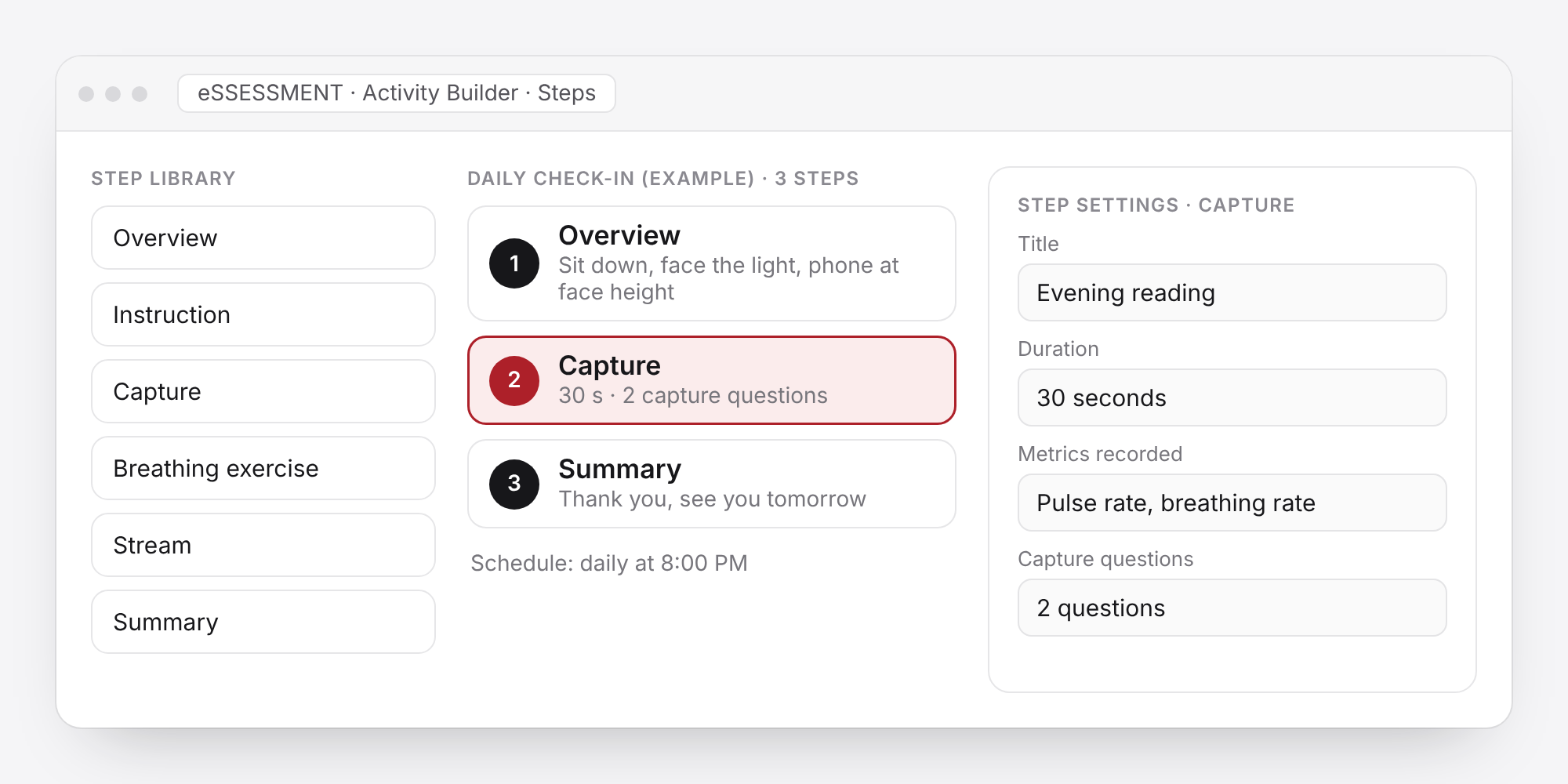
In eSSESSMENT, you build the check-in once, and participants complete it on their own phones in Presage’s free Coherence app. The quickest way to build it is to describe it to Claude with the Coherence MCP.
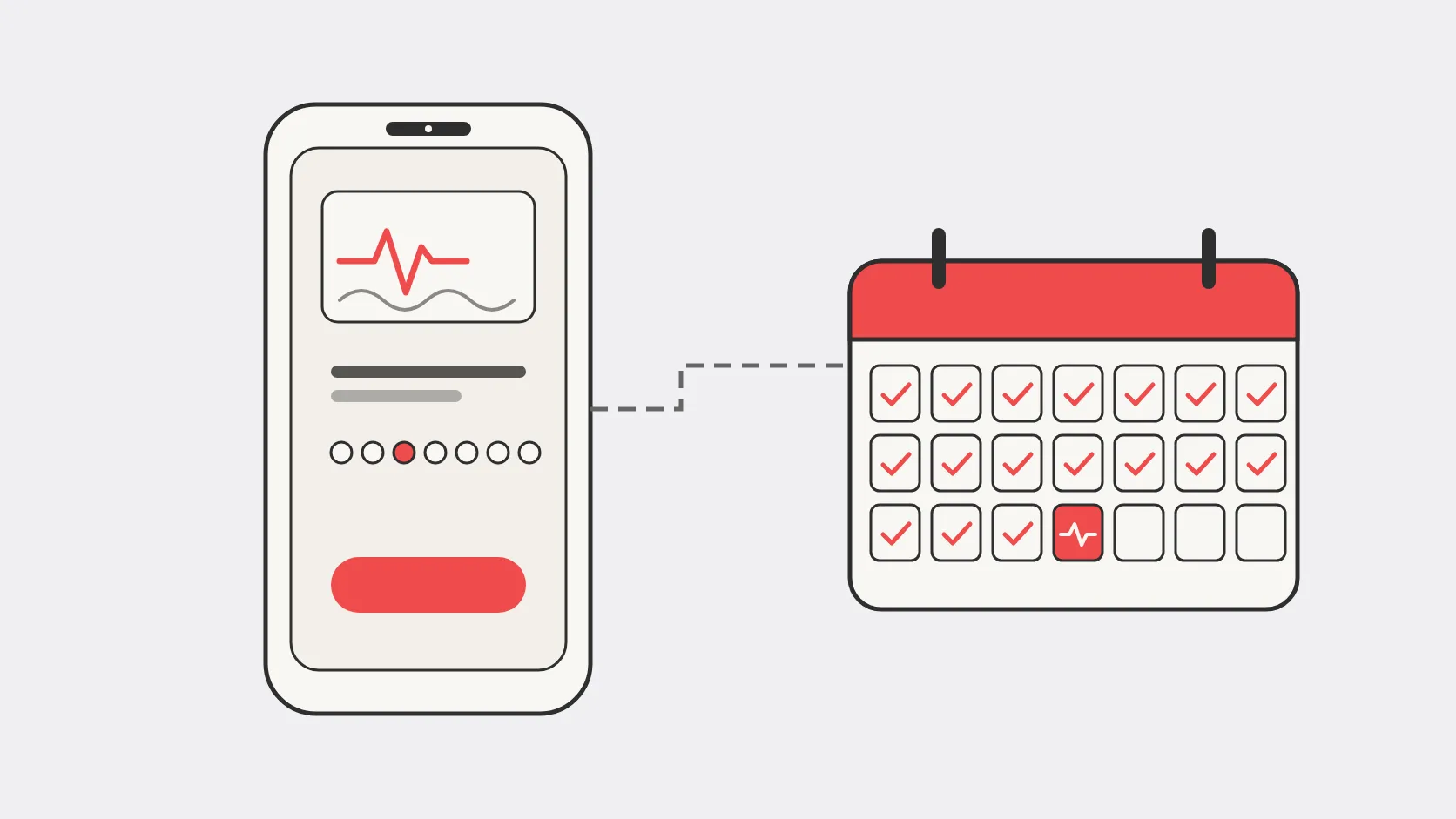
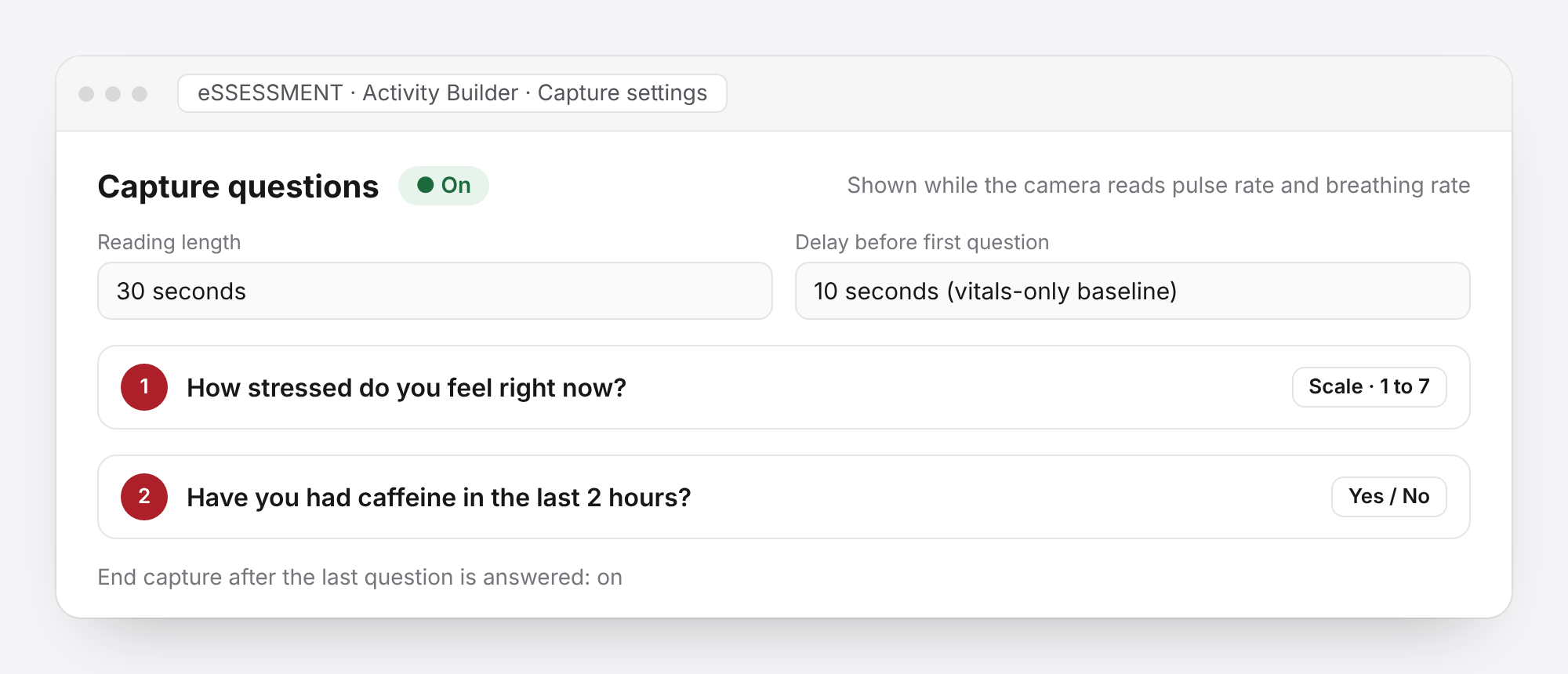
A simple daily check-in can include a 30-second scan that reads heart rate and breathing rate while participants answer one or two questions, such as “How stressed do you feel right now?” (1 to 7). A short summary closes it.
Set it to run daily at a fixed time, such as 8 p.m., and invite participants by email or link. Each check-in takes about 2 minutes. Try it on your own team first.
eSSESSMENT records every metric, whether or not participants see it, and gives each reading a confidence score. Playback shows the pulse and breathing traces next to the answers.
How accurate is camera-based heart rate?
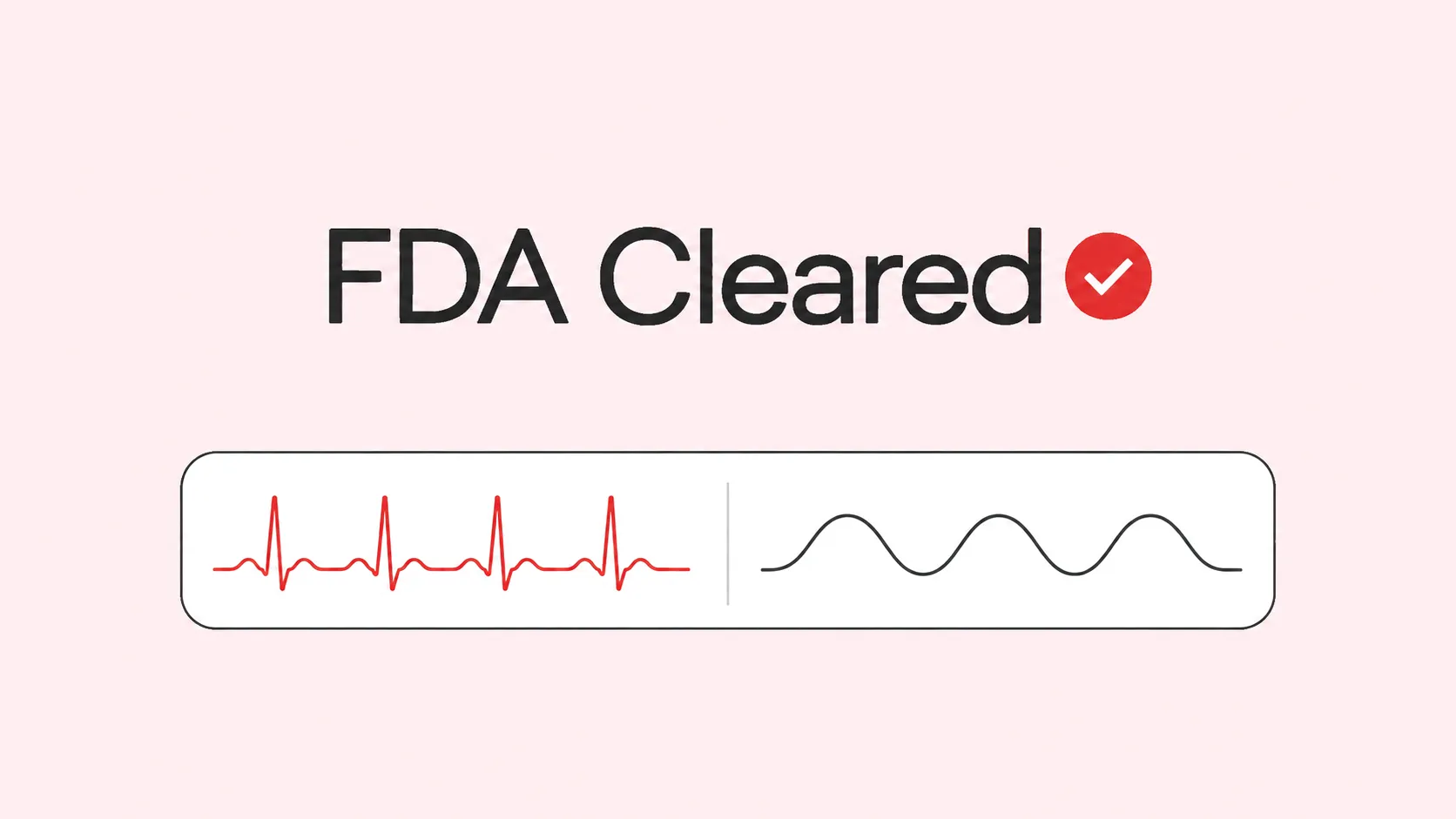
A Presage-sponsored study, run by Baylor College of Medicine researchers, tested the ability to assess basic vital signs, specifically heart rate and respiratory rate, in subjects visiting an emergency department. These readings were captured using fixed cameras and lighting in a clinical setting and included 111 adult volunteers (Padaki et al., 2026; registry record NCT07362641). Compared with standard of care telemetry using continuous ECG and capnometry monitoring, the camera heart rate had a root-mean-square error (RMSE) of 1.62 beats per minute and the breathing rate had an RMSE of 1.71 breaths per minute. RMSE is a measure of how far a model’s predictions typically are from the actual observed values. It is a statistical tool to help describe the magnitude of prediction error. The results of this study helped Presage achieve FDA 510(k) clearance for its Presage SmartSpectra Vital Signs Monitor 1.0 (K254169) in June 2026. Read the study summary for the details.
Common questions
Is there an EMA app that reads heart rate with the phone camera?
Yes. Presage Technologies’ eSSESSMENT runs check-ins that ask questions while the phone camera reads heart rate and breathing rate. Participants use the Coherence app on their own phones.
How long does a daily check-in take?
The example in this guide takes about 2 minutes, including a 30-second scan. Researchers, coaches, and program owners build their own protocols, so a check-in can be as short or as long as the study needs.
Do participants need to keep the camera on screen while they answer?
No. You can set the camera to run in the background, with the participant’s consent, while they answer questions. Or you can show live vitals on screen.
Note: Readings in Coherence and eSSESSMENT are for wellness use and are not intended for diagnosis.
References
- Shiffman S, Stone AA, Hufford MR. Ecological momentary assessment. Annu Rev Clin Psychol. 2008;4:1-32. https://doi.org/10.1146/annurev.clinpsy.3.022806.091415
- Wrzus C, Neubauer AB. Ecological momentary assessment: a meta-analysis on designs, samples, and compliance across research fields. Assessment. 2023;30(3):825-46. https://doi.org/10.1177/10731911211067538. Free full text: https://pmc.ncbi.nlm.nih.gov/articles/PMC9999286/
- Padaki AS, Zarzour AL, Keene KR, et al. Clinical validation of non-contact vital signs in an emergency department setting. Front Med Technol. 2026;7:1728913. https://doi.org/10.3389/fmedt.2025.1728913